

Planning a move abroad? The excitement of a new country can quickly give way to a long list of financial questions and tax considerations when relocating abroad are among the most important to get right. Many globally mobile individuals assume that leaving a country means leaving its tax system. However, that's not always the case.
Without proper tax planning, exit taxes, double taxation, and ongoing obligations can create financial headaches down the line. While tax laws differ across jurisdictions, there are some general considerations worth understanding before you move abroad.
Please remember to always discuss your specific tax circumstances with a professional tax advisor.
Key takeaways
- Leaving a country does not automatically end your tax obligations there, as some jurisdictions continue to tax former residents.
- Exit taxes may apply to unrealised capital gains when you relocate. France, Canada, and the US are notable examples.
- Double Taxation Agreements (DTAs) exist between many countries, but their scope varies and professional advice is essential.
- Accurate day counting is critical because accidental tax residency in a jurisdiction you visit frequently is a real risk.
- Proactive record-keeping strengthens your position in the event of a tax inquiry, both before and after a move.
Tax considerations when relocating abroad
Every country has different rules on tax residency, exit taxation, and ongoing tax obligations. The areas below are among the most important to understand before you move.
Ongoing tax obligations
Leaving a country doesn't necessarily mean leaving its tax system. Some governments continue to tax former residents under certain conditions.
- The U.S. taxes its citizens on worldwide income, regardless of where they live.
- The UK applies a split-year treatment that might apply when moving in or out of the UK during a tax year.
Exit Taxes: what are they and when do they apply?
An exit tax is a charge levied by some governments when a resident moves abroad. It is most commonly applied to unrealised capital gains – in other words, the increase in value of assets you hold, even if you haven't sold them.
💡For example, France, Canada, and the U.S. apply capital gains tax upon departure in certain situations.
When relocating assets, understand how these are taxed by the country you're moving them away from. This can help structure assets more strategically during relocation.
Double taxation & tax treaties
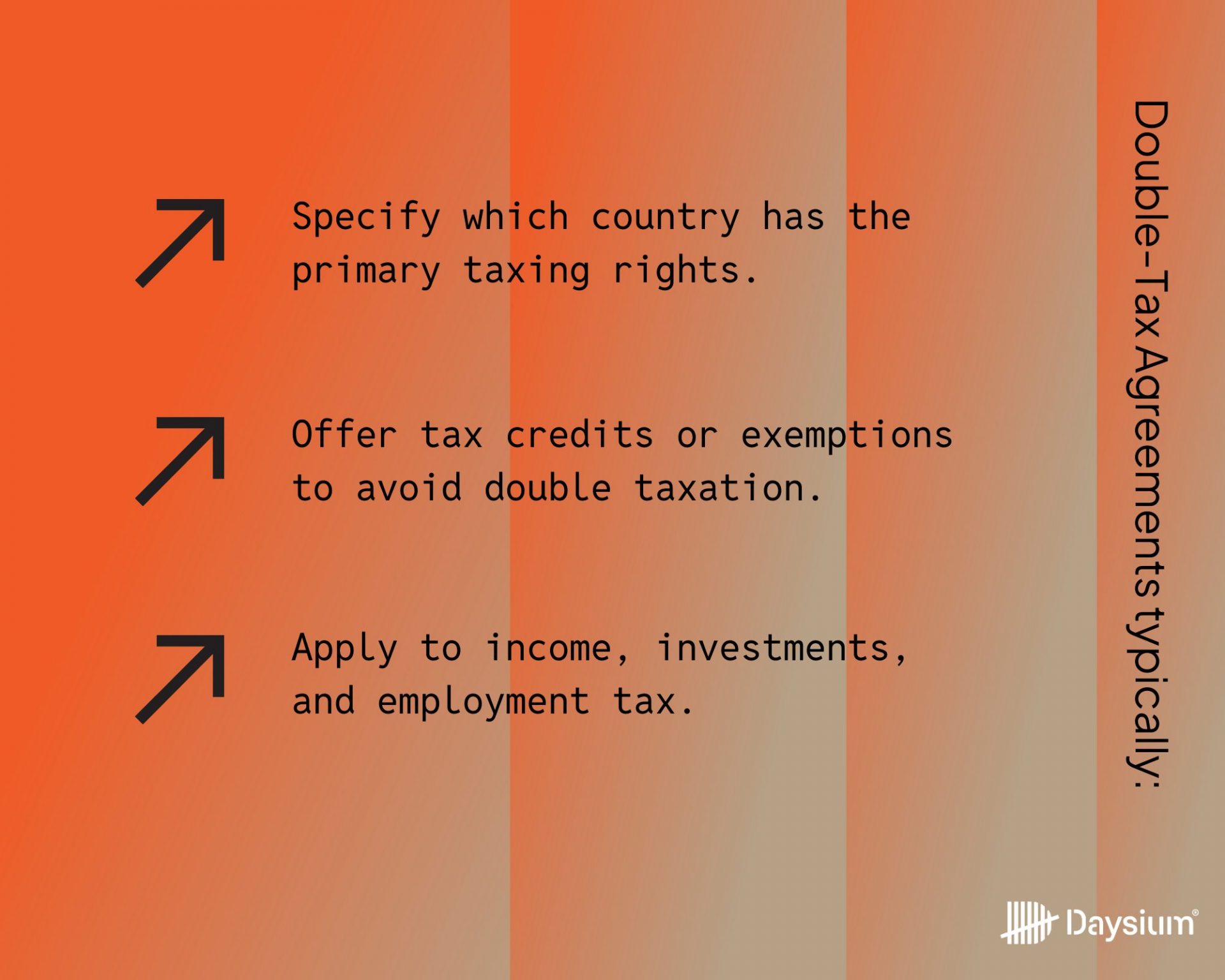
Individuals relocating abroad could face taxation in both their home and new country. Many jurisdictions have Double Taxation Agreements (DTAs) in place to prevent this. However, their scope and application may vary from country to country.
Reporting requirements
Even after relocation, some governments require continued tax reporting. You may need to report to your previous tax jurisdiction and stay aware of potential tax liabilities.
💡Many countries have agreements for automatic exchange of financial information, which means that even if you don't report directly, your financial information may still be shared between tax authorities.
If you need to monitor things like day counts to avoid risking tax residency, you should consider using automated day counting tools like Daysium. These can help maintain accurate records and help you plan future travels without risking non-compliance.
How is tax residency determined when you move abroad?
Tax residency rules differ across countries and depend on various factors. Your tax residency can be determined by the time you spend in a particular jurisdiction and the economic ties you have. These factors may be considered on their own or together.
For example, you may have to meet a specific day count together with sufficient economic ties to be considered a tax resident. Alternatively, it may be enough in some jurisdictions to meet the day counting threshold.
You can read some more about tax residency in our previous article.

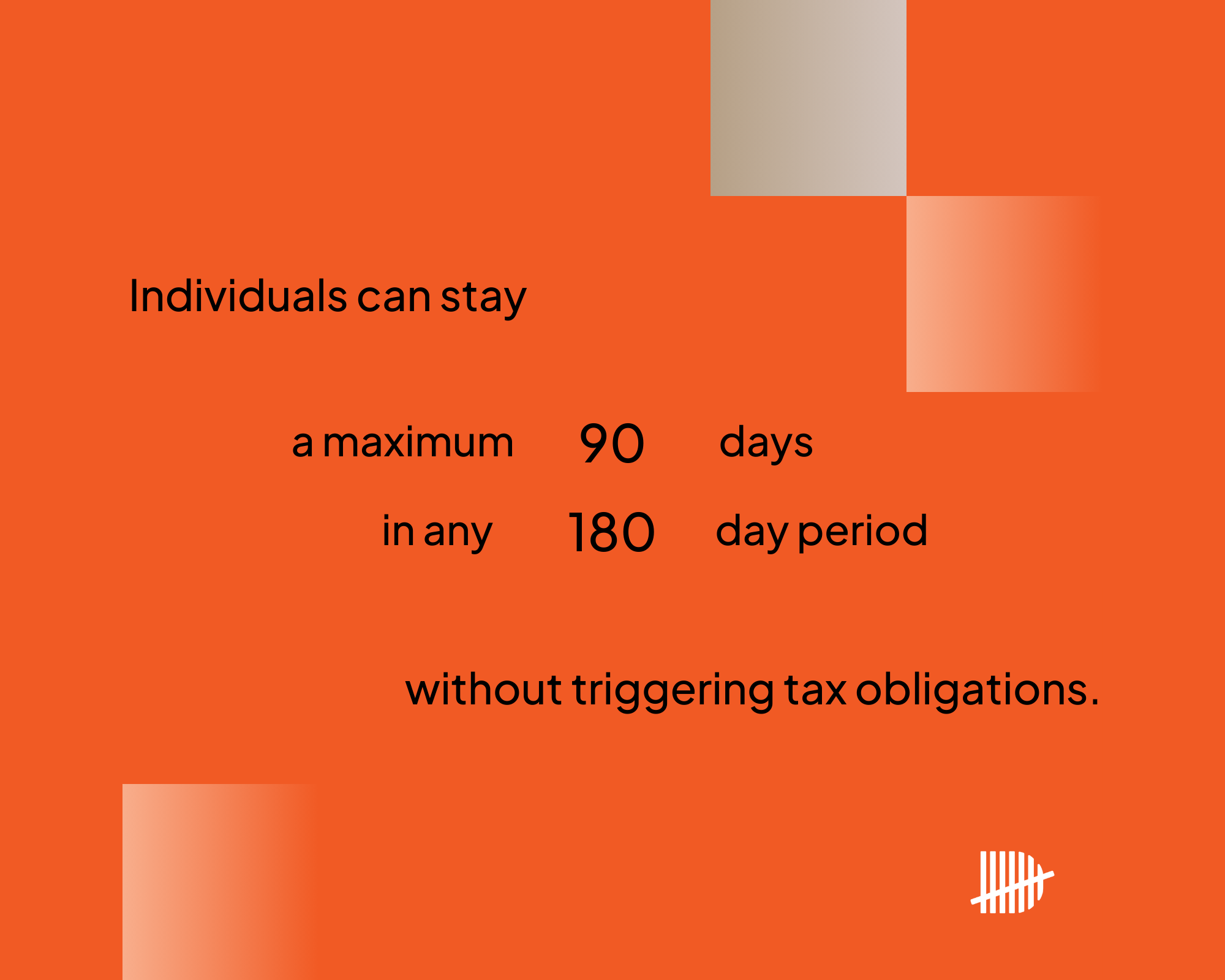
When relocating, you need to understand your new country's tax residency requirements and the rules in tax jurisdictions you frequently visit. Having a clear and updated view of your day counts helps you avoid accidental tax residency triggers.
Core tax planning areas to review before you move
When planning an international move, different tax areas may need attention, including:
- Income Tax: Will earnings be taxed in the new country or remain subject to taxation elsewhere?
- Inheritance Tax: Does the move require adjustments to estate planning?
- Capital Gains Tax (CGT): Would selling assets before relocation be more tax-efficient?
- Investment & Wealth Structures: Are offshore holdings aligned with the new tax environment?
Mapping your finances and assets can help untangle the potential tax considerations. Speaking with an accountant or advisor specialising in expat taxation can help ensure you don't miss out on beneficial strategies.
Why keeping tax residency records matters when you relocate
Global tax authorities are increasingly leveraging AI and data analytics to identify non-compliance. Authorities are scrutinising the affairs of the wealthy, especially when individuals are moving countries. Tax laws are intricate and complex, so the risk of accidental non-compliance is high.
Maintaining clear records can be crucial in the event of a tax inquiry. Proactive planning is vital in record-keeping. Even if you aren't sure you'll be moving countries, generating and keeping records can make the potential move easier.
Digital tools like Daysium allow individuals to log travel days, store supporting documents, and generate compliance reports, helping to create a robust record trail. You won't just have records from the immediate time of your relocation but can create a compliance trail before and after the move. If the authorities ask for your records, you can simply state, "There's nothing to see here, everything is in order."
Seeking expert guidance
International tax rules can be complex, and professional guidance can help individuals navigate tax considerations when relocating. As Paul Aplin OBE, Daysium Senior Advisor, wrote,
My advice to anyone who does not hold a tax qualification – no matter how well they think they know the subject – is always to check their understanding with someone who is qualified."
Paul Aplin OBE, Daysium Senior Advisor
Seeking professional guidance is essential because, as Paul writes, it can "ensure that the outcome being sought is the one that will actually transpire: some actions cannot be undone."
Engage with tax professionals as soon as you consider a move. Our Partner network can help you find expert advice in different tax jurisdictions. You'll gain more clarity on available options and the potential tax considerations that can impact when or where you want to move.
Assessing tax exposure before moving
Not sure about potential tax liabilities? A structured risk assessment can help identify areas of concern and ensure individuals are prepared.
- Understand potential tax obligations.
- Identify reporting requirements.
- Ensure readiness for compliance checks.
We've developed a quick risk assessment in partnership with the UK's Contentious Tax Group. The assessment helps you explore your current tax residency risk score with actionable steps to improve your situation. You can use it to explore your situation before or during a relocation.
Take our Risk Score assessment.
Frequently asked questions
Do I still pay tax in the UK if I move abroad?
Not necessarily. It depends on your residency status and the nature of your income. UK-source income may remain taxable even after you leave, and the year of departure has specific rules under the split-year treatment provisions. A tax advisor can help clarify your position for the specific year you move.
What is a Double Taxation Agreement (DTA)?
A DTA is a treaty between two countries that sets rules for which country has the right to tax specific types of income. The goal is to prevent the same income being taxed twice. However, DTAs do not automatically resolve every double taxation scenario, and the application depends on the specific countries involved and your personal circumstances.
How many days can I spend in a country before becoming a tax resident?
The threshold varies by jurisdiction. Many countries use 183 days as a trigger, but some have lower thresholds, additional "connecting factor" tests, or both. The UK's Statutory Residence Test, for example, uses a sliding scale depending on how many UK ties you have. Accurate day counting is essential for anyone who splits their time across multiple countries.
What records should I keep when relocating abroad?
You should aim to maintain contemporaneous records of where you spend each night, evidence of travel (boarding passes, hotel receipts, bank statements), and documentation of economic ties in each country. Tools like Daysium allow you to log days automatically and attach supporting evidence, creating an auditable record that is ready to share with advisors or tax authorities if needed.
Conclusion
Relocating abroad is more than just a logistical move. It requires careful financial and tax planning. While tax laws vary by country, being proactive about tax residency management can help minimise risks and ensure compliance.
With tools like Daysium, individuals can automate their day counting and compliance. Our platform makes it easy to attach supporting evidence to your records, strengthening your compliance position. With our network of tax experts at your reach, you can get the advice to guarantee strategic planning. You don't need to worry about the tax considerations when relocating abroad; instead, you can focus on preparing for the adventure of changing countries.
Curious about your tax residency risks? Take our quick Risk Score Assessment now to avoid unexpected tax liabilities when relocating abroad.